

Lighting tips for better corporate event photography
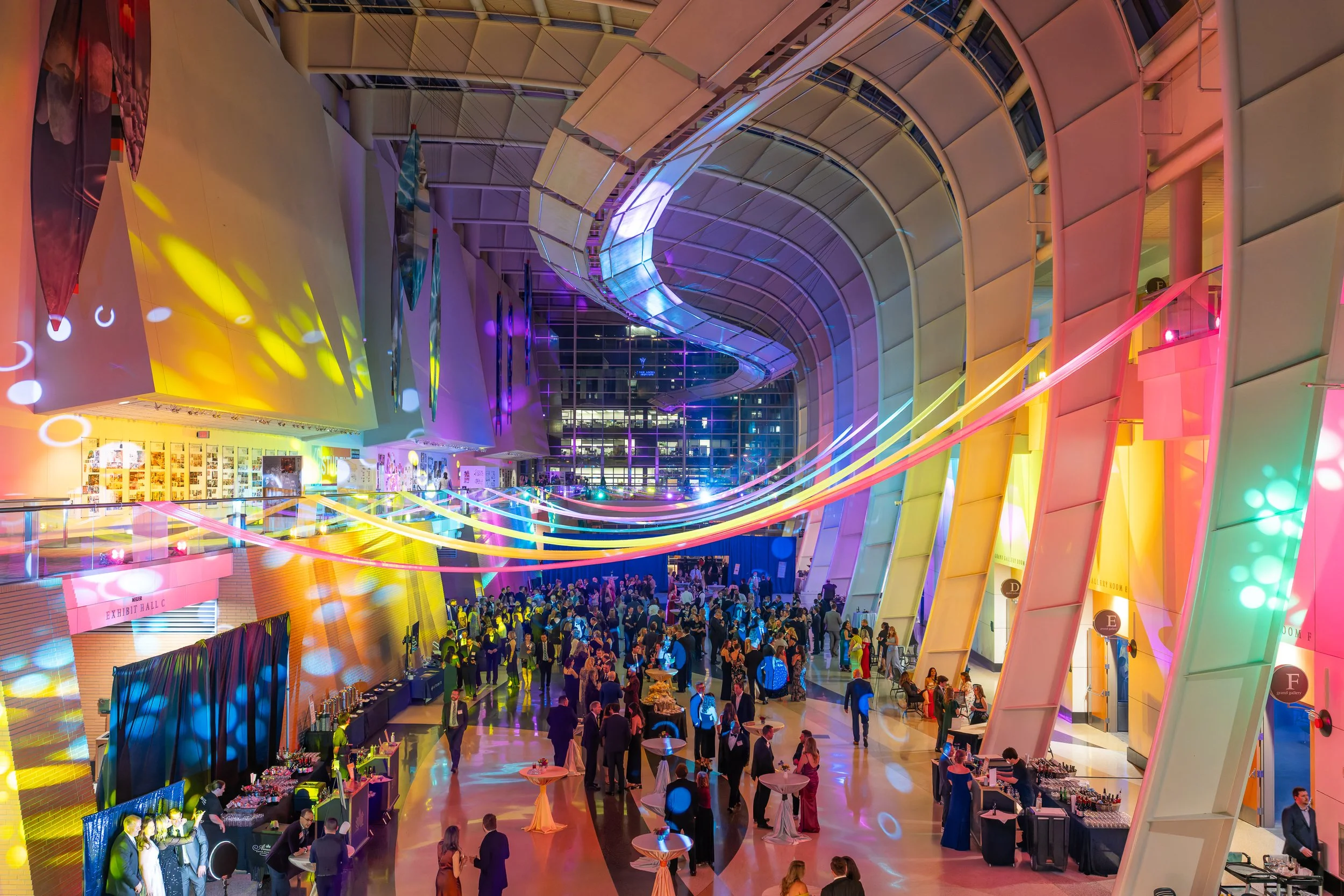
Good lighting can make or break your event photos. Whether you're planning a conference, product launch, or awards dinner, the way you light the space directly impacts how your event is remembered — and how it's seen online afterward.
As a professional event photographer, I’ve worked in just about every kind of lighting condition imaginable. Here are some practical lighting tips to help make your next corporate event look its best on camera.
Don’t rely on the venue’s default lighting
Many venues are lit for function, not photography. That usually means overhead fluorescents or dim ambient light that doesn’t flatter your speakers or attendees. If possible, work with your AV team or event designer to create a lighting setup that adds shape, color, and focus to the space.
Use spotlights strategically
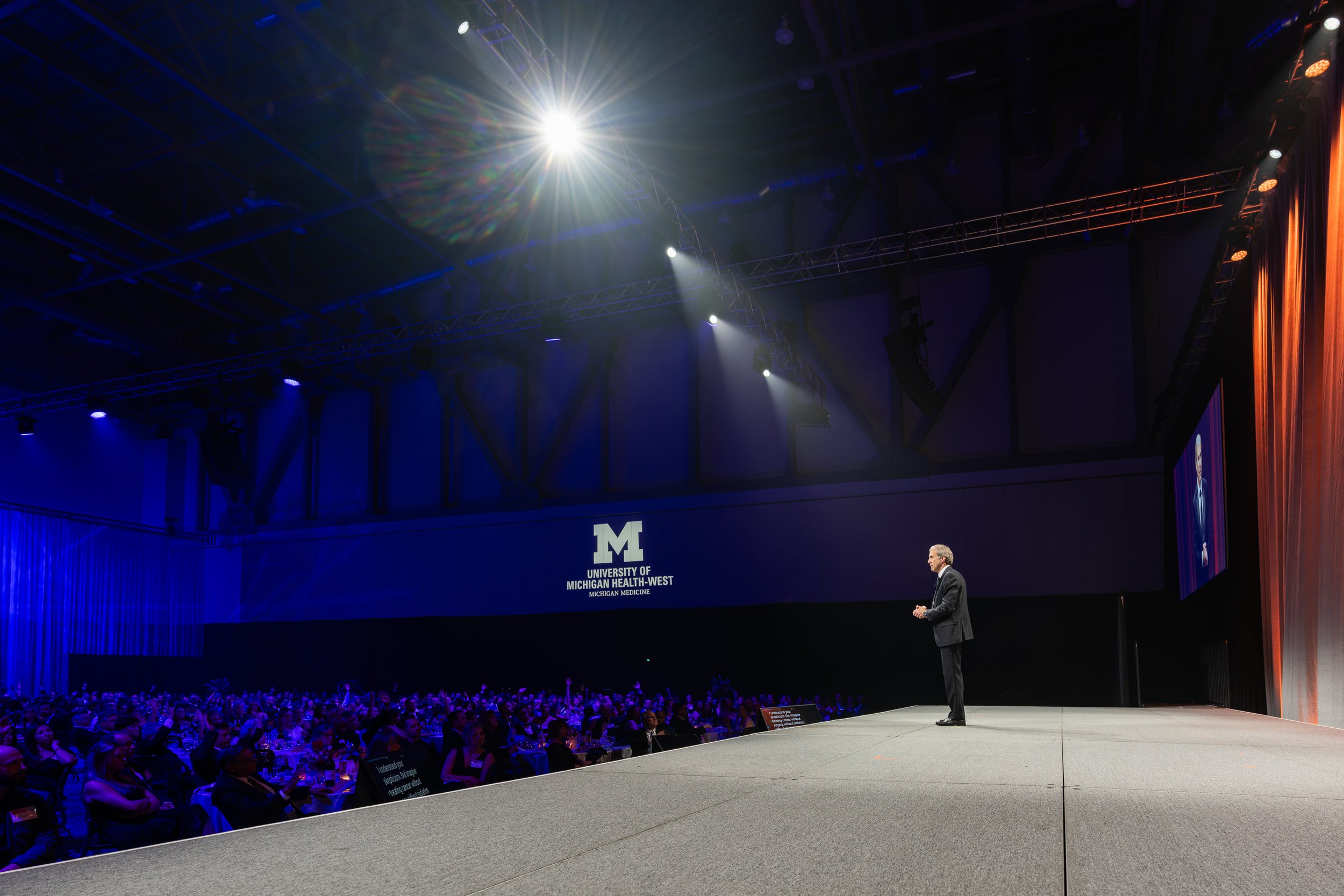
Spotlights can help better draw attention to the main stage for your audience, and can effectively draw the viewer’s eye to the subject in a photo.
If you have a stage or speaker area, a soft spotlight is essential. It draws attention to your presenters and ensures they’re well-lit for photos and video. Just avoid creating harsh shadows or too much contrast — soft, even lighting is best.
Soften the overhead lighting
If your venue uses bright overheads, see if they can be dimmed or supplemented with more flattering light sources. Uplighting around the room, floor lamps, or LED panels can help balance out harsh top-down lighting and create a more inviting atmosphere.
Avoid strong color washes
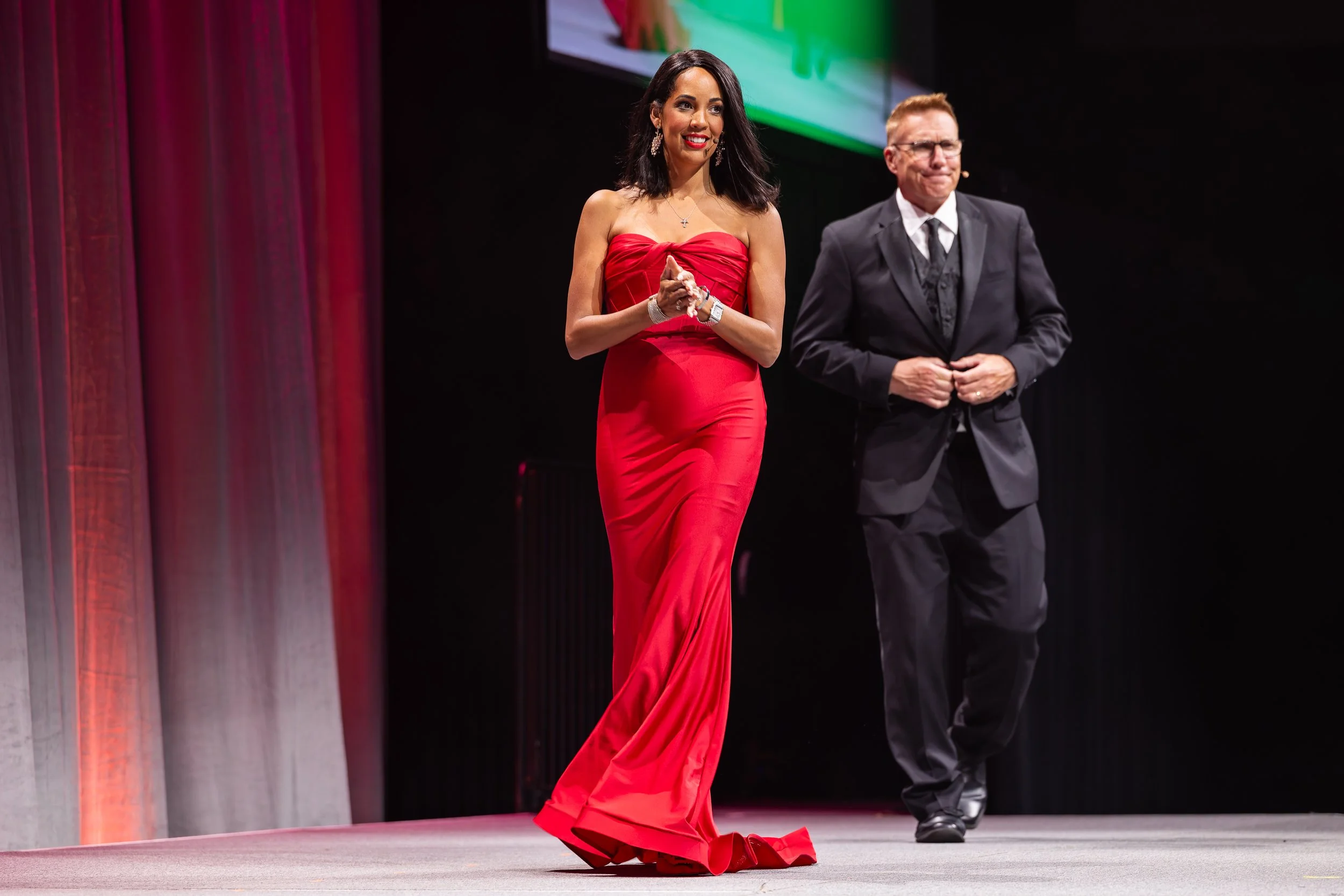
Using color in the background can be an effective way to showcase your brand’s colors, without color washing out your subjects.
Lighting the room in your brand colors can look great — until it doesn’t. Oversaturated hues like red or pink can distort skin tones and make post-processing difficult. I always recommend sticking with lighter, more neutral colors (like pale amber or soft blue) if you want to incorporate color into your lighting scheme.
If you do have an oversaturated color, instead of having it be the primary lighting, consider it as background or accent lighting.
Be mindful of natural light
If your event space has large windows, that natural light can be a gift — or a challenge. Morning or late afternoon light tends to be more flattering, but direct sunlight can cause heavy shadows or glare. If there’s strong backlighting behind a stage or subject, consider closing blinds or reorienting the setup. I often shift my shooting angle to make the most of available light while keeping the subject properly exposed.
Communicate with your photographer
The best results come from collaboration. Share your lighting plans with your photographer ahead of time — whether you're working with me or someone else. I can often provide quick guidance that helps avoid common lighting pitfalls and makes sure your event looks just as good in photos as it does in person.
You don’t need a Hollywood setup to get great event photos — just a little planning and intention. The right lighting can elevate your event, showcase your brand, and ensure that your images are clean, flattering, and usable across every platform.
Planning an event and want to talk through the lighting setup? I’m happy to collaborate early in the process to make sure everything works seamlessly, both in-person and on-camera.
